***Some functionality may be broken. This page is a work in progress**
Disc Finder
Search by disc name, type, stability, and speed. New inventory is being added regularly.
Shop by Type
Shop by Stability
Shop by Speed
What Are Flight Numbers?
Here's how I explain it to a complete noob. Flight numbers are a completely arbitrary set of numbers that describe how the disc was designed to fly. They are also great for comparison purposes.
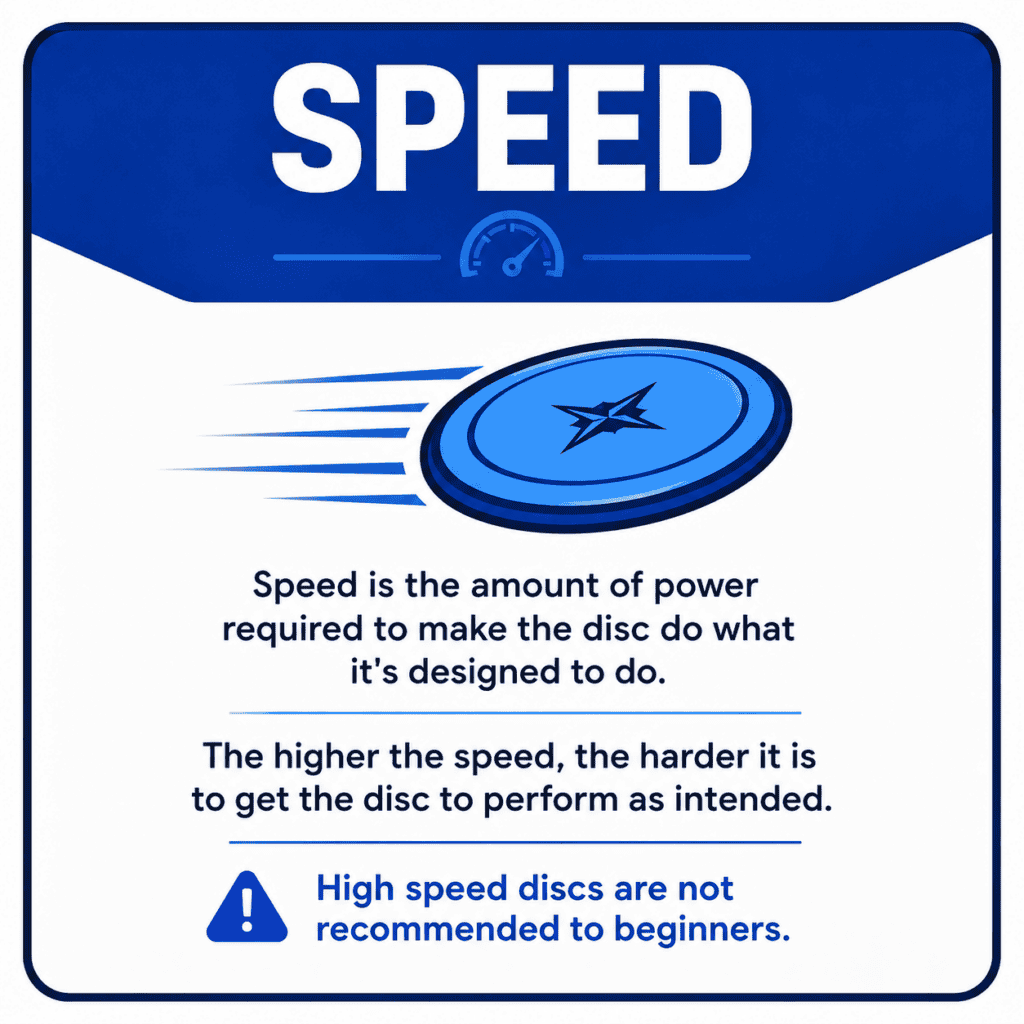
Speed is the power required to make the disc do what it was designed to do. Does that mean you can't throw a 14 speed driver because you don't have power? Absolutely not, but the disc will not act anywhere near the numbers. If you can't get a disc up to speed, the disc will fade out much earlier in the flight than what it was designed to do, so just be aware that underpowering a disc will result in a bigger hook on the end.
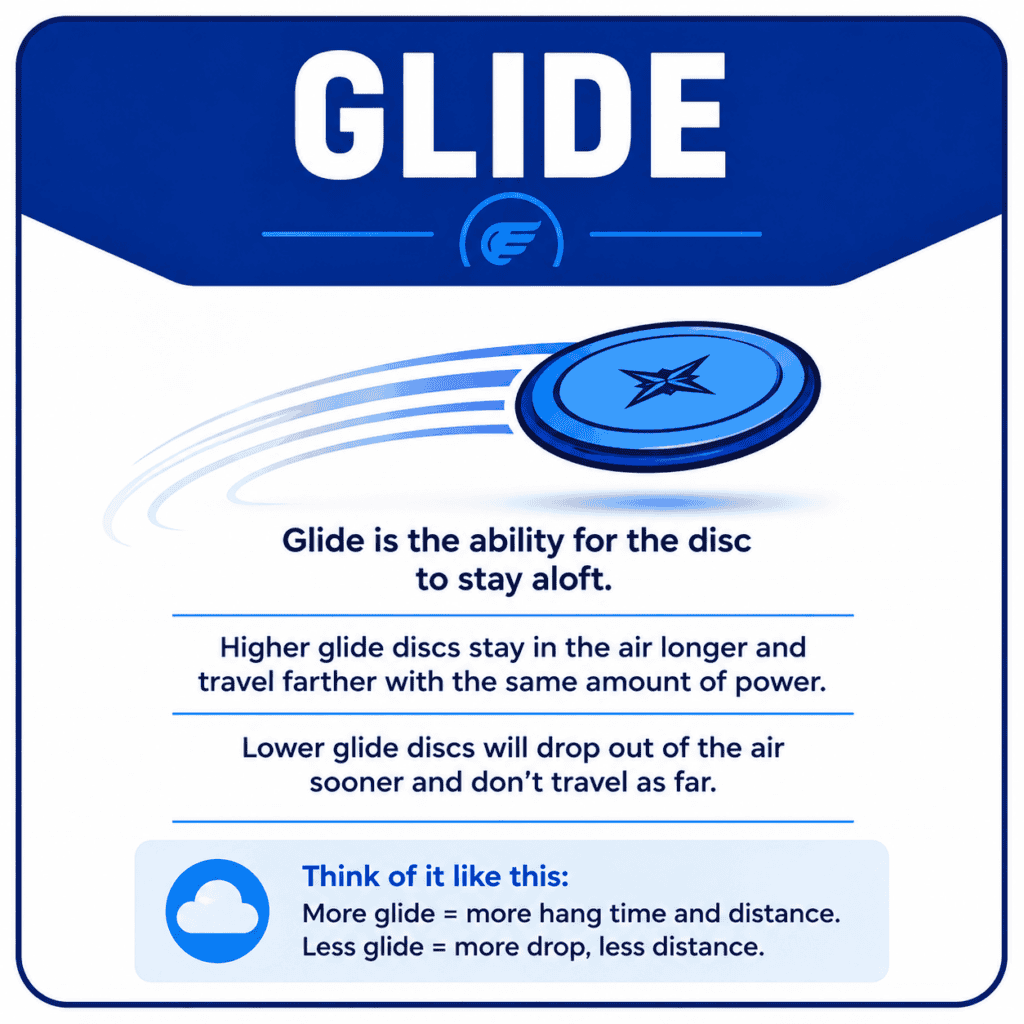
Glide, in my opinion, is the most arbitrary number. It's the tendency for the disc to stay up in the air. It's hardly possible to notice a difference in glide 3 vs 4, and sometimes two numbers apart. You definitely can notice a difference from say a 3 to a 6. Some glide 6 and 7 discs sometimes seem like cheater discs because they just keep going.
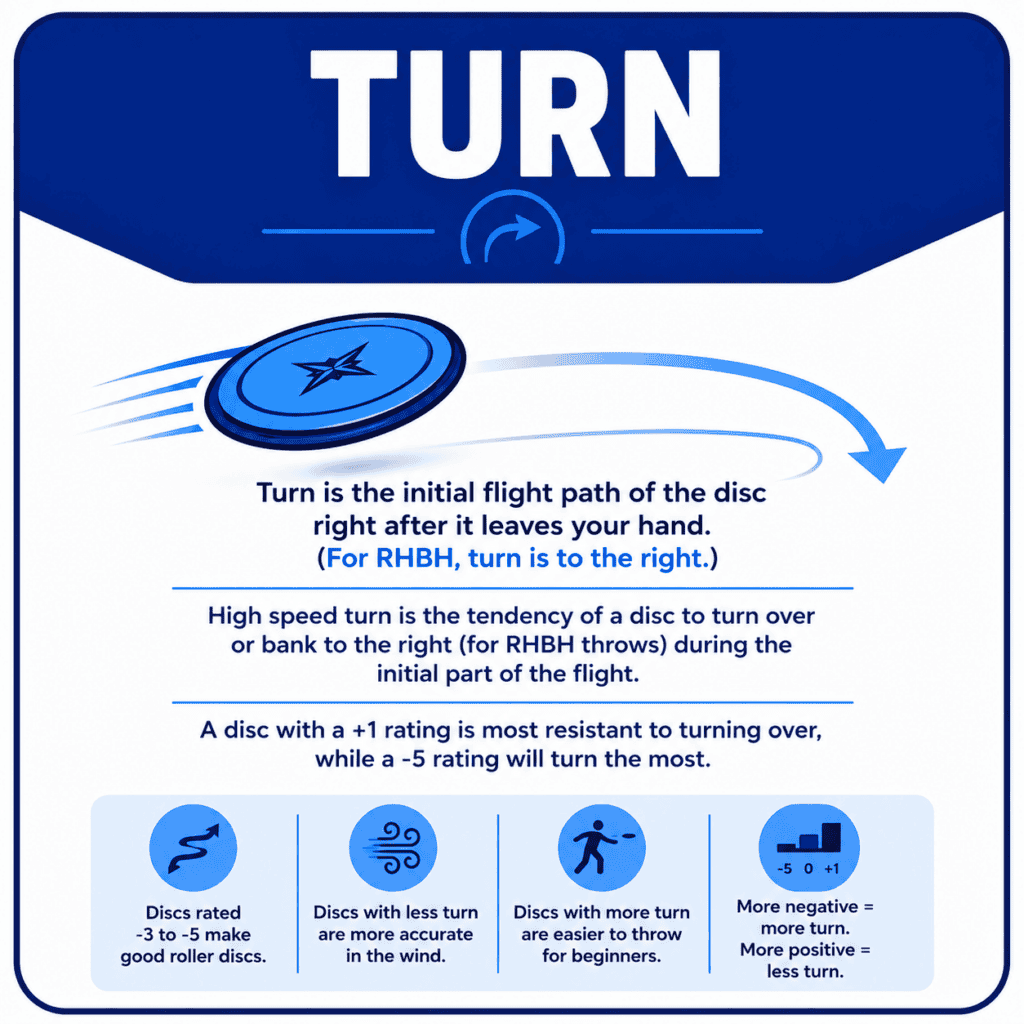
Turn is the high speed portion of flight for the disc, right after it leaves your hand. It's the tendency for the disc to turn right initially for Right Hand Back Hand (RHBH). For LHBH it will be opposite. For sidearm/forehand it will also be opposite due to the disc rotation being opposite. The more negative, the more right turn, or understability.
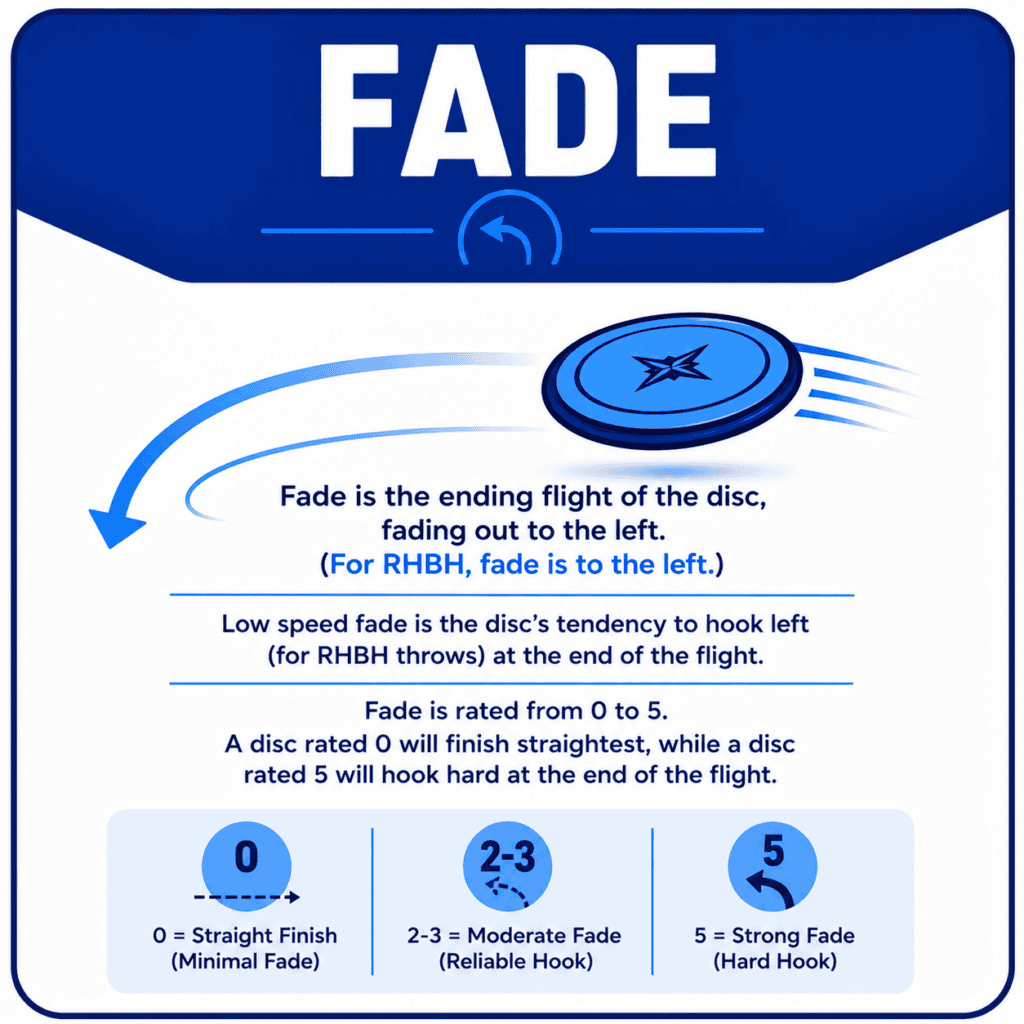
Fade is the final part of the flight as the disc is slowing down. For RHBH, that fade out is to the left. If you underpower the disc, that fade will come sooner than expected. The larger the last number, the more final hook it has.
Think in terms of arbitrary units. Lets say 7 | 5 | -2 | 2 is the disc that we have. The last two numbers are the intended flight shape. Picture the disc leaving your hand (RHBH) and that disc turns to the right and travels 2 units to the right. Then it comes back and fades back 2 units back to the left. Technically the disc is neutral in the end because it came back to the zero point. If the last 2 numbers were 0|3 then you think zero units to the right and then 3 units to the left, so obviously big hook on the end of that.
Underpowering a disc will cause more positive turn and more positive fade than what the numbers state. Overpowering a disc will amplify the turn to the right (RHBH) and will have less fade on the end.
Obviously there are a TON of variables in every single throw. Shot shape is very dependent on how the disc was thrown. Flight numbers are for a perfectly flat throw at the perfect speed. That's a very rare thing to be able to do, so you must realize that your throw, while it may have felt perfect, probably wasn't when it comes to terms with flight numbers.